
A Case For The Hymnody
The word hymnody is defined as follows :
1: hymn singing
2: hymn writing
3: the hymns of a time, place, or church
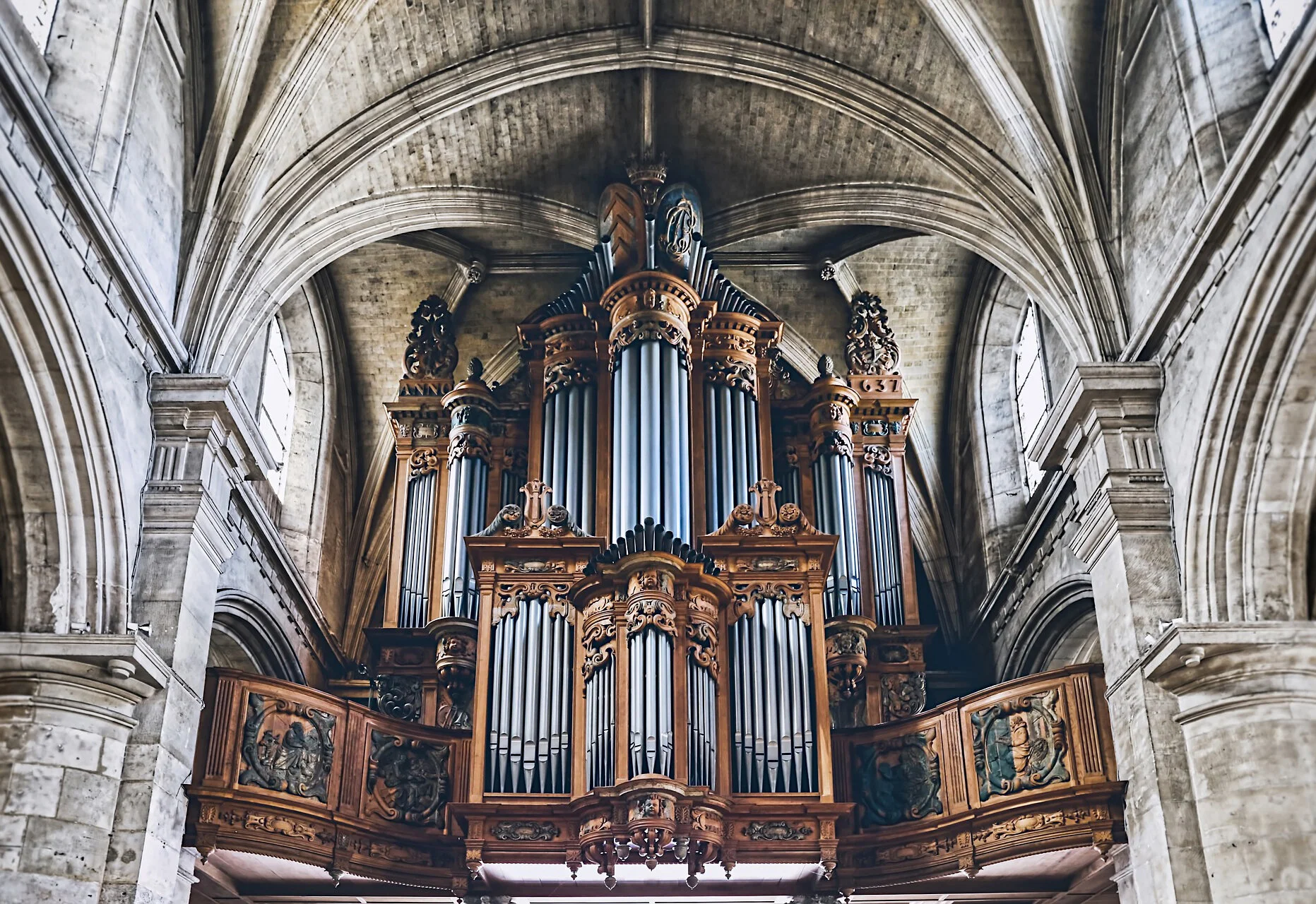
The face of music in churches is changing. I remember a time when the only accompaniment to a chorus of singing voices in church was a solo pipe organ. There were no drums, guitars, speakers or microphones. No lighting, smoke machines or even a stage for that matter. The congregation would stand in their pews, hymn books in hand, singing each verse as one church, one body, always ending with a melodious same-but-different "Amen". This process never failed to evoke a deep sense of calm and a certain mental quietude that is becoming harder and harder to come by these days.
Maybe it was due to the fact that the lyrical content was so closely tied to Scripture? Or that it served as a vehicle of time travel, a preternatural connection to the mindful chanting practice of our ancient forefathers? More than the musical sound and instrumentation, hymns most definitely offer a unique connectedness to the very foundations upon which our church, as a collective, was built and formed.
As far as we know, the first written hymn was sung by Christian congregations in the 3rd Century AD. While chanting would have been a regular practice during religious gatherings prior to this period, it was unlikely that there was any musical accompaniment as early Christians associated instrumentation with paganism. However, there is strong evidence to show that during Constantine's rule through the Byzantine Period, songs of praise might have been accompanied by a hydraulis, an ancient version of a pipe organ. Same-but-different. It is the imminent loss of this edifying form of praise that has stood the test of time thus far, and not just nostalgia or my penchant for all things old-school, that gives me cause for concern.
It is not just nostalgia or my penchant for all things old-school that is giving me cause for concern, but the very fact that we are on the verge of losing an edifying form of praise that has lasted over two thousand years!
Now, I must state here that I see nothing wrong with the contemporary direction worship music is taking and completely understand the need for churches to adapt in the face of dwindling attendances. I am extremely happy that we have found a way to inject a new energy into services by way of powerful music and it has most definitely gone a long way to attract the younger generations. However, we must not lose something deeply foundational through this contemporisation. I am in no way advocating a return to a bygone era. I am only bringing into focus elements of the past that I believe we need to re-introduce. There is space for a co-existence and my own experience is testament to this fact. During my formative years, I was a member of my church's youth music group. We sang four contemporary songs during a traditional Anglican Evensong service which also featured four hymns. Although I was a part of this injection of newness, the fundamental connection I formed and developed with traditional hymns remained strong and true right to this day. There is a certain depth that exists in the musical and lyrical content of hymnodic compositions, which is why I believe it is just as relevant in today's rapidly changing world.
I have applied my incredibly complex and proprietary mathematical equation to combine the contemporary and traditional below.
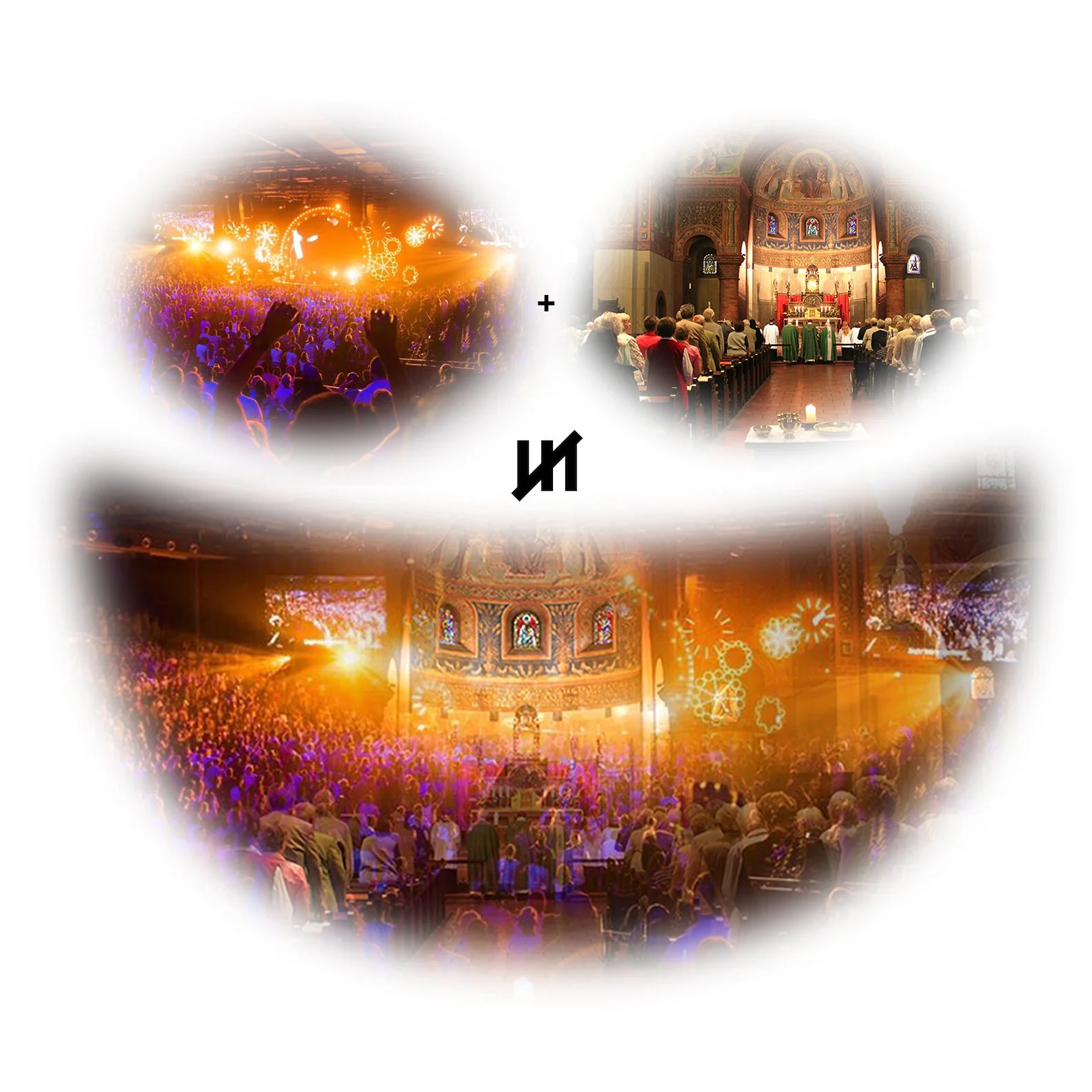
Albeit facetious in its cheshire cat-eque visual representation, I do hope I have managed to make a case for the possibility of a harmonious co-existence.
Here are a few examples to prove this co-existence already exists. We just need more of it!
Amazing Grace
Hallelujah Chorus
Ode To Joy
We must endeavour to restore and maintain a balance between the old and new, and ensure that this strong and meaningful form of expression is not relegated to the pages of history.
